Water Line Repair · Cypress, California
Water Line Repair in Cypress, CA
Weak pressure, a soggy yard, or a water bill that makes no sense? The main water line from the meter to your house could be the cause. Call 123-4567.
- Cypress and nearby cities
- Plain-English explanations
- Call for a straight answer
Cypress CA Plumbing is a free referral service. It connects homeowners with independent local plumbing contractors and does not perform the work itself.
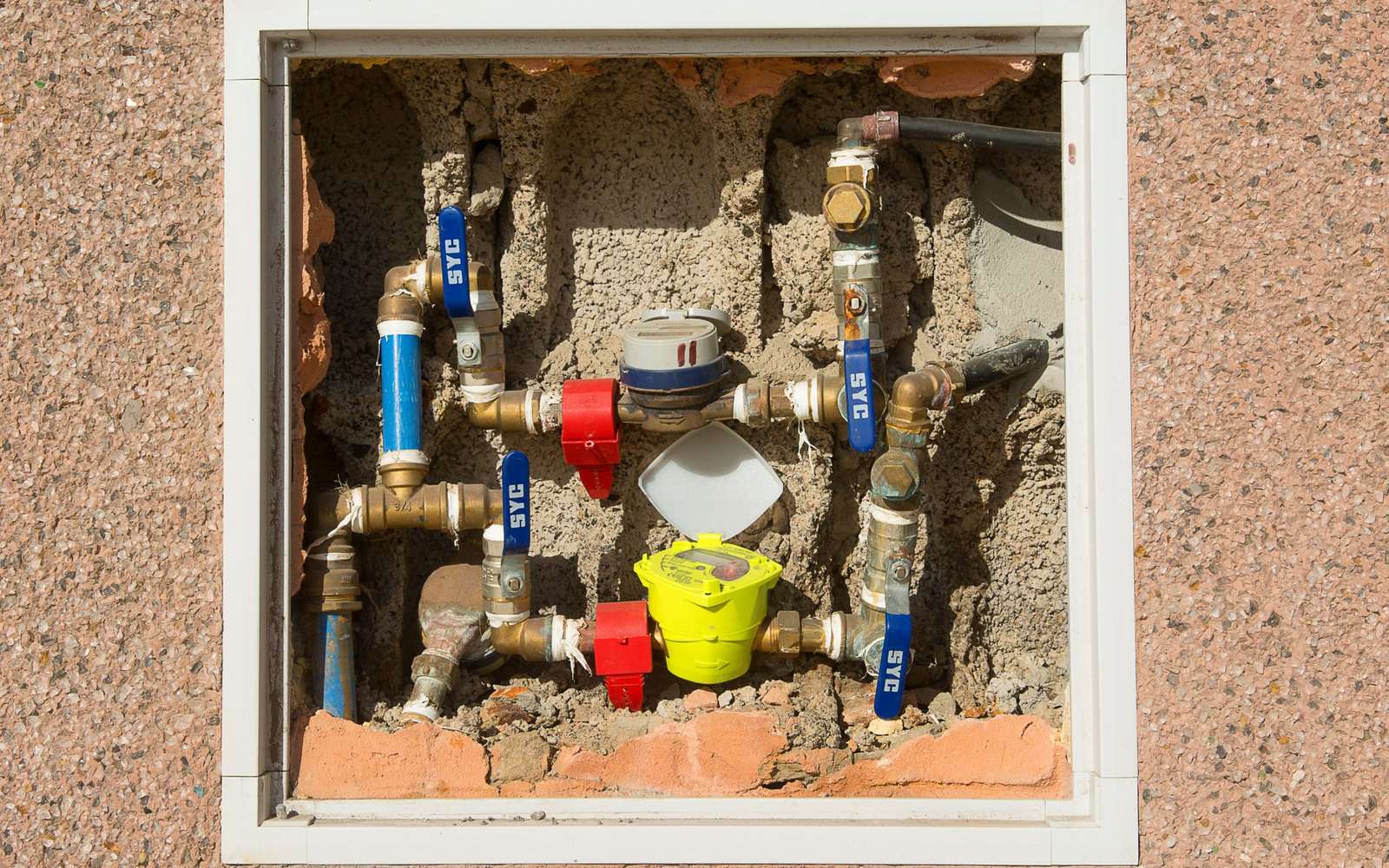
The basics
What is water line repair in Cypress, CA?
Your water line, or service line, is the pipe that brings water from the city main or your meter into the house. It’s buried, it’s under pressure all day and night, and you usually don’t think about it until something goes wrong. Water line repair means fixing or replacing that pipe, along with the valves and fittings that connect it.
If you searched water line repair Cypress CA because your pressure dropped, a wet patch appeared in the yard, or your bill spiked, you’re on the right track. A damaged service line can waste a lot of water quietly before anyone notices. The good news is that a careful diagnosis can tell the plumber where the line is failing and how much needs to be done.
Methods
How does water line repair actually work?
Plumbers begin by confirming where the problem sits. Shutting off water inside the house and watching the meter tells the plumber whether water is leaking before or after the house shutoff. A pressure gauge on a hose bib shows whether pressure is high, low or normal, and checking the shutoff valve and pressure regulator rules out simple causes.
If the line itself is the issue, plumbers locate it with a pipe locator and, if needed, listening equipment. Repair options depend on the pipe material and the damage. A small spot repair, digging down to cut out a bad section and splicing in new pipe, can be enough for a single failure. When the line is old, corroded or has failed in several places, replacement is usually the better value.
Replacement can be done by open trench, which involves digging along the path of the line, or by trenchless methods such as pipe bursting, which pulls a new pipe through the old path with minimal surface disturbance. Plumbers discuss each option, what it means for your landscaping and driveway, and what permits or inspections your city requires.
Warning signs
What are the 8 warning signs?
Low water pressure
A weak flow at every fixture can point to a leak, a partially closed valve, or a failing line.
Sudden pressure changes
Surging or fluctuating pressure may be a failing regulator or a damaged line.
A wet or soggy patch in the yard
Water surfacing along the line path is a strong hint.
A rising water bill
An unexplained increase means water is going somewhere you aren’t using it.
A meter that keeps moving
With all fixtures off, a moving meter indicates a leak somewhere downstream.
Discolored water
Rust or sediment in the water can show up when a corroded line is failing.
Hissing near the meter
A hiss at or near the meter box may be a fitting or service line leak.
No water at all
A broken line or a closed or failed valve can cut off the whole house.
Causes
Why does this happen in Cypress homes?
Service lines age. Older homes can have galvanized steel, which rusts from the inside and narrows over time, or copper that thins in aggressive conditions. Some lines are plastic that was installed decades ago and has become brittle. All of them live under soil that moves with moisture, traffic and tree roots.
Pressure plays a part too. A line that sits under high pressure all day is more likely to fail at joints. Construction nearby, a shovel strike during landscaping, and the shifting that comes with earthquake country add to the wear. Plumbers check the pressure regulator on every visit like this, since a failed regulator can create high pressure that damages the line and fixtures inside the home.
Before you call
What can I safely check myself first?
These checks help the plumber understand what’s happening before plumbers visit.
- Find your main shutoff valve and make sure it’s fully open. A partly closed valve can reduce pressure everywhere.
- Check whether low pressure affects hot water only, cold water only, or both. That clue changes where plumbers look.
- Screw a pressure gauge onto an outdoor hose bib to read your static pressure.
- Read your meter, turn off all water, and check it again after an hour to see if it moved.
- Walk the area between the meter and house looking for wet ground or sinkholes.
Locate your main shutoff at the house and the meter shutoff at the street. If one of them is stuck, a plumber can replace it before the day you desperately need it.
What to expect
What happens when the plumber arrives?
- Plumbers start by listening to the story. Pressure changes, bills, wet ground and timing all help the plumber find the likely location.
- Plumbers test the basics. Shutoff valve, pressure regulator, meter and hose bib readings tell the plumber whether the cause is simple or in the line.
- Plumbers locate the line and the problem using a pipe locator, listening gear or other tools, marking the path before any digging.
- Plumbers explain your options, including spot repair or replacement, and what each means for your yard, driveway and schedule.
- Plumbers carry out the work with the proper permits where required, flush and test the line, and make sure pressure and flow are right.
Equipment
What tools does the plumber use?
Pipe locator
Maps the path and depth of buried lines.
Pressure gauge
Reads static water pressure at a hose bib.
Acoustic listener
Pinpoints the sound of water escaping from a buried pipe.
Trenchless pipe equipment
Lets the plumber replace a line with less surface disturbance.
Cost factors
What affects the cost?
| Factor | How it changes the job |
|---|---|
| Length of the line | A short run from the meter to a close house costs less than a long run. |
| Pipe material and condition | Replacing old galvanized is different from patching a newer pipe. |
| Obstacles above the line | Driveways, patios, trees and landscaping add complexity. |
| Method | Trenchless can preserve surfaces but isn’t suitable for every line. |
| Permits and inspections | Water line work often needs permits, which add steps. |
A short test can tell the plumber whether the issue is a simple regulator or valve fix before anyone digs. Plumbers always start with the least invasive checks.
When is water line repair an emergency?
If water is surfacing in your yard, the line has broken, or you have no water at all, call 123-4567. Shut off the water at the house or meter if you can.
A broken line can erode the soil around it. If you see a sinkhole forming or flooding near the foundation, keep clear and call 123-4567 right away.
Never dig for a buried line without calling the free 811 service so utilities can mark their lines first. Hitting a gas or electric line is a serious hazard.
Questions
Questions people ask about water line repair
What causes low water pressure in a house?
The usual suspects are a partly closed valve, a failing pressure regulator, clogged or corroded pipes, or a leak in the service line. A pressure gauge and a few tests narrow it down.
How do I know if my water line is leaking?
Look for a meter that moves with everything off, a wet patch along the line path, a bill spike, or a drop in pressure.
Is it better to repair or replace a water line?
A single failure in a sound line can be repaired. If the line is old or has failed in several places, replacement is usually better value.
Will you dig up my yard to fix the line?
Maybe, maybe not. Trenchless methods reduce digging, and spot repairs may need only a small excavation. Plumbers will explain your options before work begins.
Who owns the water line?
Typically the property owner is responsible from the meter to the house, and the utility handles the main and meter. Your water provider can confirm where responsibility ends.
Do I need a pressure regulator?
Many homes benefit from one, since high street pressure can stress plumbing. Plumbers can test your pressure and tell you if a regulator is needed or needs replacing.
Related services and areas
If the pressure problem is really a leak, start with leak detection. A pipe that failed inside the house is covered by burst pipe repair, and a failing line that’s flooding the yard should be treated as emergency plumbing. Plumbers we connect you with cover Garden Grove, Buena Park, Westminster, and Lakewood, plus the rest of the Cypress-area neighborhoods on our list. Not sure which service fits? Browse all our plumbing services, or start at our plumber near Cypress page.